 EN
EN
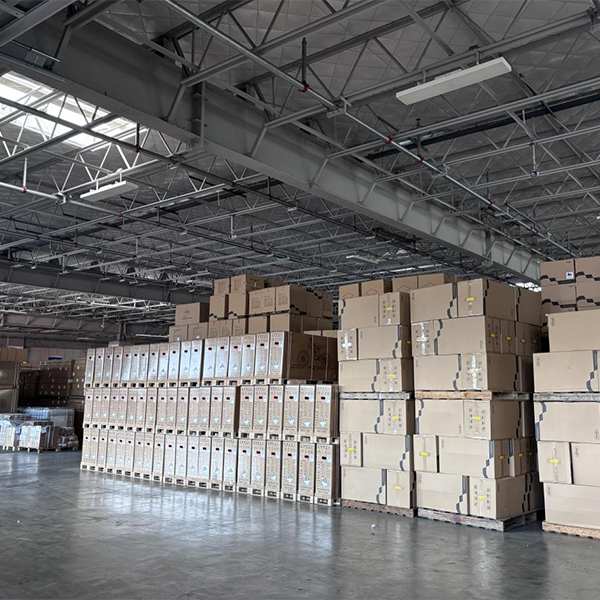
Tehlikeli madde ihraç ederken boyut önemlidir. Herkesin güvenliğini sağlamak için izlenmesi gereken çok sayıda kural vardır. HJ INTL, bu kurallara uymanın önemini anlar. Örneğin bir şirket kimyasalları başka bir ülkeye göndermek istediğinde, sayısız düzenlemeyi dikkatle incelemek zorundadır. Bu kurallar, çalışanları, halkı ve çevreyi korumak amacıyla hazırlanmıştır. Tehlikeli maddelerin ihracatı ile ilgili herhangi bir iş yapacak kuruluşun, bu düzenlemelerin neler olduğunu ve nasıl uyum sağlayacaklarını bilmesi hayati öneme sahiptir.
Tehlikeli Maddeler İhracı Yapanlara Uygulanan Diğer Kurallar Nelerdir?
Bir toptancı tehlikeli maddeleri ihraç ediyorsa, kendi ülkenizin ve malın gideceği ülkenin düzenlemelerini bildiğinizi sağlamalısınız. Her bir yerin yorumlanması için özel kurallar geçerlidir. Örneğin, Amerika Birleşik Devletleri'nde tehlikeli madde taşımacılığı Ulaştırma Bakanlığı (DOT) tarafından düzenlenmekte olup, bu maddelerin atık bertarafı belirli alanlarda Kaynak Koruma ve Kurtarma Yasası ya da diğer izin programları ve muafiyetler aracılığıyla düzenlenmektedir. Hatta Birleşmiş Milletler (BM) bile insanların güvenliğini sağlamak amacıyla tehlikeli malların nasıl etiketlenmesi ve paketlenmesi gerektiği ile ilgili net kurallar belirlemiştir. Örneğin, HJ INTL'deki bir firma zehirli kimyasallar gönderiyorsa, bunların sızdırmaz özel kaplarda taşınması gerekir. Ayrıca, herkesin bunların gerçekte tehlikeli olduğunu bilmesi için üzerlerine uyarı etiketi koymaları da zorunludur. 'Bu sadece yasalarla değil, aynı zamanda sorumlulukla ilgilidir. Bir şeyler yanlış giderse, insanlara ve çevreye zarar verebilir. Sadece hukuki bir mesele değil, aynı zamanda etik bir meseledir.'
İhracatçılar ayrıca Uluslararası Denizcilik Örgütü (IMO) ve Uluslararası Hava Taşımacılığı Birliği (IATA) gibi uluslararası gerekliliklere de atıfta bulunmalıdır. Bu kurallar, tehlikeli malların deniz ve hava yoluyla nasıl paketlenip gönderileceğini düzenler. Bu düzenlemelere uyulmaması durumunda toptancılar ağır cezalara çarptırılabilir ve gerektiğinde mallarının iade edilmesi veya imha edilmesi söz konusu olabilir. Daha da kötüsü, itibarları zedelenebilir ve müşterilerin güvenini kaybedebilirler.
Bu tür düzenlemeleri anlamak zor olabilir, ancak HJ INTL gibi şirketler Nakliye genellikle bu karmaşık kurallarda uzmanlaşmış danışmanlar istihdam eder. Ayrıca, ürün gönderilmeden önce her şeyin doğru ve güvenli olduğundan emin olmalarına yardımcı olurlar. Bu tür yasalar konusunda çalışanları eğitmek de eşit derecede önemlidir. Şirkette çalışan yeterli sayıda kişi kuralları anlayamazsa hatalar meydana gelebilir. Bu da potansiyel olarak güvensiz koşullara yol açabilir. Bu nedenle, bu konularda eğitim, bu sektörde faaliyet gösteren herhangi bir şirket için hayati öneme sahiptir.
Tehlikeli Mallarınızın Uluslararası Standartlara Uygun Olmasını Sağlamanız İçin Yöntemler
Zor ancak çok önemli. Tehlikeli malların uluslararası standartlara uygunluğunu sağlamak. Öncelikle, burada HJ INTL gibi şirketler personeline yeterli eğitim sağmayla başlamalıdır. Her çalışanın kendi materyallerinin risklerini bilmesi sorumluluğundadır. Bunun için bol miktarda çevrimiçi dersler ve atölyeler mevcuttur.
İkinci olarak, firmalar belirli paketleme talimatlarına uymak zorundadır. Her tehlikeli madde bir koda sahiptir ve onları paketlemek için belirli yönergeleri vardır. Örneğin, bir şirket yanıcı sıvılar göndermek zorunda ise, o şirket yangına dayanıklı kaplar kullanmak zorundadır. Heyecan verici gibi gelmeyebilir, ancak paketleme sürecinin her adımı malların taşınırken sızmayacağından veya alev almayacağından emin olmak için tasarlanmıştır.
Ambalaj yapıldıktan sonra, her şeyin kaydedilmesi gerekir. Uygun kayıtları tutmak esastır. Bu ayrıca tehlikeli maddeleri tanımlayan Güvenlik Veri Sayfalarının mevcut olması da gerekir. Bu sayeler sayesinde, mallara dokunan herkes neyle çalıştığını bilir. Taşıma sırasında bir sorun olursa, güvenlik veri sayfaları ilgili kişilerin nasıl hareket etmeleri gerektiğini bilmelerini sağlar.
Başka önemli bir kısım ise, düzenlemelerin nasıl işlediğini bilen firmalarla çalışmaktır. HJ INTL, her bir ülkenin taşıma kanunlarına aşina olan profesyonellerle çalışmaktadır. Onlar, her şeyin yerel ve uluslararası standartlara uygun olmasını sağlamaya yardımcı olabilir. Bu, mali cezalara veya kazalara yol açabilecek insan hatasını azaltır.
Son olarak, uyum prosedürlerinizi düzenli olarak gözden geçirip güncellemek önemlidir. Yasalar değişir ve şirketin, dahil olan herkesi korumak için geçerli gerekliliklerin ne olduğunu bilmesi gerekir. Önceden düşünüp planlama yapmak, maliyetli hataların önüne geçer. Bu nedenle proaktif olmak, çok pahalı hataların önlenmesini sağlar. Bu adımları atarak şirketler aynı zamanda çalışanlarını ve halkı güvende tutar ve tehlikeli malların ihracatını kolaylaştırır.
Tehlikeli Malları Taşıma ve Sevk Etme Sırasında Nelerden Kaçınılmalıdır
Herkesin güvenliğini sağlamak ve yasal sınırlar içinde kalmak istiyorsanız, uyulması gereken bazı kurallar vardır. Öncelikle, tehlikeli eşyaları uygun şekilde paketlemiyor musunuz, bunu kontrol edelim. Kimyasallar veya yanıcı maddeler gibi kırılabilir eşyalar, dökülmesini, tutuşmasını veya bir kimyasal reaksiyona girmesini önlemek için özel şekilde paketlenmelidir. Bu tür eşyaların paketlenmesiyle ilgili kuralları asla göz ardı etmeyin. Örneğin, ağır kutular veya özel etiketler gerekebilir. Bu kurallara uymazsanız, yüksek miktarda cezalarla karşılaşabilir veya sakinlerin güvenliğini tehlikeye atan daha ciddi kazalar meydana gelebilir. İkinci olarak, nakliye hatlarına . Bazı bölgelerde tehlikeli maddelerin taşınmasını düzenleyen katı kurallar bulunmaktadır. Bu tür malları belirli rotalardan ya da özellikle geçişi yasak olan alanlardan taşıyamama riskiyle karşı karşıya kalabilirsiniz. Bu, kalabalık bir kasabaya yakın ya da okul ve hastanelerin yakınında olabilir. Mutlaka rotanızı dikkatlice araştırın. Ayrıca, gerekli izinler olmadan tehlikeli mallar göndermeyin. Bu maddeleri ihraç etmeye izniniz olduğunu gösteren bir tür belgeye ihtiyacınız vardır. Doğru evrak olmadan, mallarınızın alıkonulması ve yasal sorunlarla karşılaşmanız mümkündür. Son olarak, dikkatsiz davranmaktan kaçının. Tehlikeli mallarla ilgili yeni kurallar ve düzenlemeler konusunda sürekli kendinizi eğitin. Dünya bir anda değişebilir ve güncel kalmak hataların önüne geçebilir.
Tehlikeli Ürünlere Yatırım Yaparken veya Ticaret Yaparken Dikkat Edilmesi Gereken Temel Hususlar
Tehlikeli ürünleri yatırmaya veya ticareti yapmaya düşünüyorsanız, dikkat etmeniz gereken birçok önemli şey vardır. İlk olarak ürünlerin güvenli olup olmadığını sormalısınız. İyi güvenlik bilgilerine sahip ürünleri bulun. Ürünler insanların veya çevreye zarar verebilecekse, bu riski almak değmez olabilir. Her ürün hakkında bilgi edinerek onaylı güvenlik standartlarına uygun olduğundan emin olmalısınız. Ayrıca, bu ürünleri satmayı düşündüğünüz ülkenin mevzuatını öğrenmek de çok önemlidir. Bazı ülkelerde tehlikeli mallar için çok katı kurallar geçerlidir. Bunları satmak için özel izinlere veya lisanslara ihtiyacınız olup olmadığını bilmelisiniz. Gerekli olanları görmek için yerel makamlarla temasa geçmelisiniz. Ürünün talebi de başka önemli bir konudur. İnsanların istemediği veya ihtiyaç duymadığı tehlikeli malları ithal ederseniz para kaybedebilirsiniz. Her zaman insanlar neyi satın almak istiyor onu gözlemelisiniz. Ayrıca tehlikeli malları nerede saklayacağınızı da düşünmelisiniz. Onları her yere koyamazsınız; güvenli bir yerde muhafaza edilmelidir. Saklama alanınızın güvenli olduğundan ve güvenlik kurallarına uyduğunuzdan emin olmalısınız. Uymazsanız, bu gelecekte aslında sorunlara yol açabilir. Son olarak, bu ürünleri kimlere satacağınızı düşünmelisiniz. Doğru müşterileri bulabilirseniz bu bir piyasadır. Bu mallara işleri gereği ihtiyaç duyan kişileri veya şirketleri bulun ancak onların da yasalara uyduğunu doğrulamalısınız.
Tehlikeli Malları Yasal Olarak İhracat Etme Konusunda Güvenilir Kaynaklar
Tehlikeli malları meşru bir şekilde ihraç etmeye çalışıyorsanız, güvenebileceğiniz kaynaklar mevcuttur. İyi bir başlangıç noktası, ülkenizin hükümet web sitesi olabilir. Bu sitelerin çoğu, tehlikeli maddelerle ilgili kurallara ayrılmış bir sayfaya sahiptir. Örneğin, hangi tür evraklara ihtiyacınız olduğunu ve uymak zorunda olduğunuz diğer özel güvenlik kurallarını öğrenebilirsiniz. Ticaret dernekleri de harika bir kaynaktır. Bu tür kuruluşlar, malları ihraç etmeyle ilgili çok sayıda bilgiye sahiptir. Tehlikeli malları güvenli bir şekilde ihraç etme konusunda tavsiye veya eğitim oturumları sunabilirler. Ayrıca HJ INTL ile iletişime geçmeyi deneyin. çin dropshipping biraz yardım almak için. Deneyimli şirketimiz tehlikeli malların taşınmasını yönetebilir ve size bilgi ve destek konusunda yardımcı olabilir, böylece tam uyum sağlamanızı garanti edebiliriz. Ayrıca ihracat üzerine düzenlenen atölye çalışmaları veya seminerlere de göz atmak isteyebilirsiniz. Bu etkinliklerde genellikle size bilmeniz gerekenleri öğretebilecek bilgili kişiler bulunur. Son olarak ama en azından olmayan, çevrimiçi kurslar. Tehlikeli maddelerin yanı sıra ihracat üzerine yoğunlaşan birçok çevrimiçi kurs mevcut. Bu dersler, anlayışınızı güçlendirmeniz ve tehlikeli malları gönderirken yasalara uymaya hazır olmanız için faydalı olabilir. Her zaman doğru bilgi ve desteği arımak gerektiğini unutmayın, bu tehlikeli mallarla iş yaparken kendinizi ve başkalarını koruyabileceğiniz tek yoldur!
İçindekiler Tablosu
- Tehlikeli Maddeler İhracı Yapanlara Uygulanan Diğer Kurallar Nelerdir?
- Tehlikeli Mallarınızın Uluslararası Standartlara Uygun Olmasını Sağlamanız İçin Yöntemler
- Tehlikeli Malları Taşıma ve Sevk Etme Sırasında Nelerden Kaçınılmalıdır
- Tehlikeli Ürünlere Yatırım Yaparken veya Ticaret Yaparken Dikkat Edilmesi Gereken Temel Hususlar
- Tehlikeli Malları Yasal Olarak İhracat Etme Konusunda Güvenilir Kaynaklar