 EN
EN
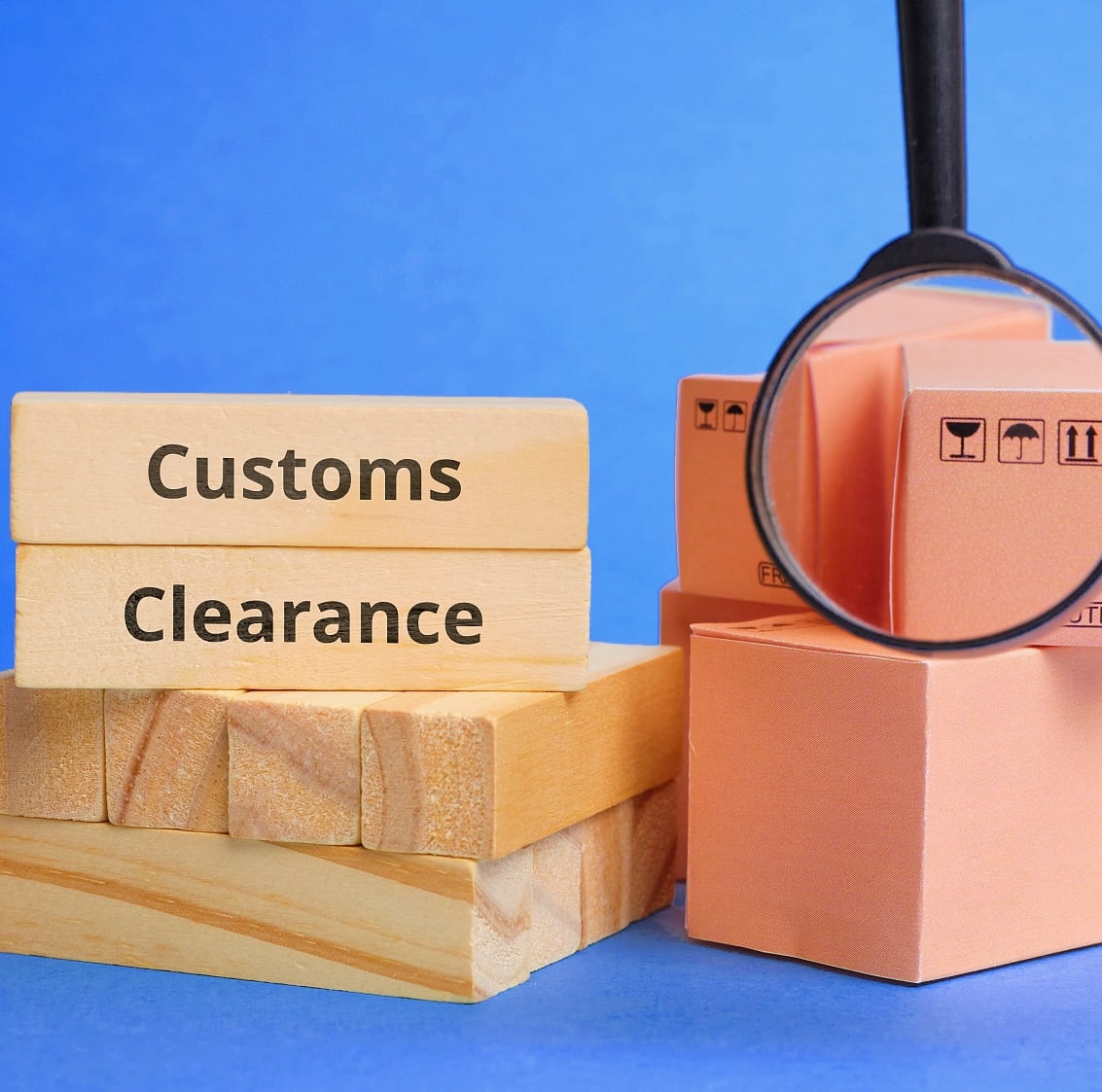
Predaj výrobkov do Európskej únie je pre každú spoločnosť veľkým krokom. HJ INTL rozumie tomu, že na dopravu vašich výrobkov musíte dodržať niekoľko pravidiel. Na colných úradoch sú poplatky, ktoré platíte prostredníctvom ciel, správne štítky, ktoré treba pripevniť na vaše výrobky, a určité certifikáty, ktoré znamenajú, že váš tovar je v EÚ bezpečný a v súlade s právnymi predpismi. Poznanie týchto častí procesu môže pomôcť urobiť vývozný proces hladkým a úspešným.
Vysvetlenie ciel EÚ pre vyvážaný tovar – čo potrebujete vedieť
Keď posielate tovar do Európskej únie, musíte uvažovať o colných sadzbách. Jednoducho povedané, colné sadzby sú dane, ktoré možno budete musieť zaplatiť za svoj tovar pri vstupe do inej krajiny. Každý produkt má svoju vlastnú colnú sadzbu, takže výška dane sa môže meniť v závislosti od toho, čo práve prepravujete. Veľmi dôležité je poznať colné kódy ešte pred vyvážaním. Napríklad colná sadzba pri hračkách môže byť iná ako pri oblečení. Ak tieto informácie nepoznáte, môže sa stať, že zaplatíte viac peňazí, než je nevyhnutné, a prípadne sa Vám nepodarí dostať produkty do danej krajiny. Podnikateľom odporúča HJ INTL DODÁVKA vyhľadať databázu colných sadzieb EÚ. Táto databáza obsahuje katalóg všetkých položiek a sadzieb, ktoré budú účtované. To vám umožní plánovať svoje výdavky podľa očakávaní. Niekedy existujú špeciálne obchodné dohody, ktoré môžu tieto clá znížiť. Štúdium týchto dohôd vám môže ušetriť peniaze a sprístupniť vývoz lacnejší. Navyše sa clá môžu meniť – môžu byť zvýšené alebo znížené v závislosti od politických okolností v danom čase alebo počas obchodných rokovaní. Dôležité je sledovať novinky v oblasti obchodu. Okrem toho, ak veľa vyvážate, tieto cla sa môžu rýchlo sčastiť. Veľmi vám pomôže poznať výšku colných sadzieb a to, koľko plánujete na trhu účtovať. Zamyslite sa nad týmto: ak máte jeden produkt s nízkym colným sadzbám a druhý s vysokým colným sadzbám, môžete tieto rozdielne náklady preniesť na svojich zákazníkov a pritom zostať konkurencieschopní na trhu EÚ a dosahovať zisk.
Štítky, ktoré musí používať každý vyvážajúci
Štítky sú pasom pre vaše tovary. Keď vyvážate do EÚ, je veľmi dôležité mať správne označenie. Každá položka potrebuje jasné informácie o tom, čo je, ako sa používa a bezpečnostné údaje. Okrem toho v Európe vyžadujú konkrétne štítky týkajúce sa bezpečnosti a environmentálnych informácií. Napríklad pri odosielaní odevov by mali nálepky uvádzať informácie o materiáloch a spôsobe prania. Pre spotrebiteľov je dobré mať k dispozícii informácie. Spoločnosť HJ INTL zistila, že ľudia v EÚ veľmi dbajú na bezpečné a ekologické výrobky, preto štítky, ktoré ukazujú, že váš výrobok spĺňa určité normy, môžu pomôcť zvýšiť vaše predaje. Iným príkladom sú potravinárske výrobky. Tie vyžadujú iné štítky, ktoré uvádzajú zložky, výživové informácie a možné alergény, ako orechy alebo lepok. Ak neposkytnete správne štítky, môže dôjsť k zamietnutiu tovaru na colnici a k jeho vráteniu späť vrátane možných oneskorení a dodatočných poplatkov. Niektoré štítky obsahujú aj symboly, napríklad označenie CE, ktoré indikuje, že výrobok spĺňa bezpečnostné normy EÚ. Je jednoduché urobiť chybu pri správnom označovaní, najmä ak začínate s vývozom. Spoločnosť HJ INTL odporúča spoluprácu s partnerom, ktorý má dobré znalosti noriem EÚ pre označovanie výrobkov. Tí vám zabezpečia, že všetky vaše výrobky budú zodpovedať európskym normám, pomôžu vám vyhnúť sa chybám a zabezpečia, aby sa vaše ponuky leskli na konkurenčnom trhu. Navyše správne označenie môže spraviť vaše výrobky atraktívnejšími pre kupujúcich – čo je víťazstvo pre obe strany. Čím transparentnejšie a presnejšie budú vaše štítky, tým vyššia bude pravdepodobnosť, že zákazníci budú vašim výrobkom dôverovať a rozhodnú sa ich kúpiť.
Vegyodási ES certifikácie pre výrobky -Návod pre kupujúceho
Ak ste výrobca, ktorý chce predávať výrobok v Európskej únii (EÚ), je nevyhnutné získať potrebné certifikácie. Certifikácie sú dôkazom, že vaše výrobky spĺňajú určité požiadavky na bezpečnosť a kvalitu. Napríklad ak predávate hračky, musíte preukázať, že sú bezpečné pre deti. V spoločnosti HJ INTL medzinárodná logistika pomáhame vám objasniť rôzne certifikácie, ktoré sú potrebné pre rôzne výrobky. Hlavnou certifikáciou je označenie CE. Tento štítok potvrdzuje, že výrobok spĺňa bezpečnostné normy EÚ. Skontrolujte prítomnosť označenia CE na elektrických spotrebičoch, hračkách a v niektorých prípadoch dokonca aj na určitých druhoch nábytku. Každá kategória výrobkov má svoje pravidlá. Napríklad potravinové výrobky musia spĺňať prísnejšie predpisy. Nesmú byť jedovaté ani nevhodné na konzumáciu. Toto sa monitoruje prostredníctvom certifikácií ako HACCP, čo je skratka pre Hazard Analysis and Critical Control Points (Analýza rizík a kritické body kontroly). Okrem toho môžu niektoré výrobky vyžadovať dodatočné certifikácie pre určité regióny v rámci EÚ, kde sa uvádzajú na trh. Je tiež dôležité poznať požiadavky týkajúce sa označovania. Štítky musia byť zrozumiteľné, uvedené v správnych jazykoch a obsahovať všetky informácie, ktoré zákazníci musia o produkte vedieť. Je veľmi dôležité správne označiť výrobok, pretože len tak si zákazníci získajú dôveru vo váš produkt. Bez správneho alebo pri chýbajúcom označenia nemusia byť vaše tovary povolené do EÚ. Tu vo firme HJ INTL zdôrazňujeme dôležitosť preskúmania platných zákonov v krajine, v ktorej chcete predávať. V každej krajine EÚ môžu platiť odlišné pravidlá, preto je najlepšie si ich starostlivo preštudovať. Vo všeobecnosti znalosť certifikácií a označení zabezpečí, že sa vaše tovary – vrátane ich bezpečnosti – budú na trhu EÚ dobre predávať.
Najlepšie zdroje o predpisoch pre vývoz do EÚ – Kam ísť pre najlepšie informácie o predpisoch pre vývoz do EÚ
Keď uvažujete o vývoze do EÚ, možno sa pýtate, kde môžete nájsť správne informácie. Našťastie existuje veľa zdrojov, ktoré vám môžu pomôcť pochopiť predpisy EÚ pre vývoz. Na začiatok odporúčam pozrieť niektoré webové stránky! Väčšina vládnych webov poskytuje zrozumiteľné informácie o vývoze výrobkov. Napríklad si môžete prezrieť oficiálnu stránku EÚ, kde sú vysvetlené rôzne obchodné zákony a cleny. Táto stránka je plná zdrojov a často sa aktualizuje, aby vás informovala o zmenách v politikách. Výborné sú tiež zdroje poskytované obchodnými skupinami, nie len vládnymi stránkami. HJ INTL zvyčajne odporúča stať sa členom obchodných organizácií. Tieto skupiny môžu ponúknuť odporúčania a tipy špecifické pre váš priemysel. Môžu tiež organizovať semináre a dielne, kde sa môžete viac naučiť o vývoze. Rovnako môže byť veľmi užitočné rozprávať sa s ľuďmi, ktorí už dlhšie pôsobia vo vývoze. Môžu zdieľať svoje vedomosti a pomôcť vám prekonať prekážky. Niektorí ľudia uspejú tým, že využívajú svoje siete. Zúčastnite sa konferencií, obchodných veľtrhov alebo podujatí, kde sa môžete pripojiť k odborníkom z EÚ. To je výborná príležitosť na budovanie kontaktov a učenie sa od ostatných. Môžete tiež skúmať online fóra a priemyselné komunity, kde môžete klásť otázky a získať odpovede. Stojí za to kontaktovať miestne komory živnosti; môžu poskytnúť veľa informácií a niekedy ponúkajú programy pre vývoz, ktoré pomáhajú firmám. Pamätajte na udržanie všetkého organizovaného. Zaznamenávajte všetko, čo sa učíte, pre svoju budúcu referenciu. Môže sa zdať to zastrašujúce, ale s potrebnými nástrojmi na dosah ruky budete môcť bezpečne prejsť pravidlami vývozu do EÚ.
Aké sú bežné problémy týkajúce sa dodržiavania predpisov EÚ, s ktorými sa veľkoobchodníci stretávajú?
Aj keď ste si vedomí certifikácií a viete, kde ich získať, ako veľkoobchodník môžete mať stále problémy s dodržaním predpisov EÚ. Jedným bežným problémom je nejasnosť týkajúca sa nariadení. Niekedy si veľkoobchodníci myslia, že pravidlá poznajú, no často práve tieto podrobnosti, ktoré sú zakotvené v zákonných predpisoch, rozhodujú o všetkom. Napríklad môžete mať označenie CE, avšak ak váš výrobok nebol správne otestovaný alebo nemá potrebnú dokumentáciu, môžete sa dostať do problémov. V HJ INTL prepravné služby , považujeme za nevyhnutné, aby sme boli stále informovaní o týchto dynamických zákonoch. Ďalším veľkým problémom je nesprávne označovanie. Rovnako ako pri všetkých štítkoch na svete, určité skupiny potrebujú po odberateľoch niesť konkrétne informácie vo vhodných jazykoch. Ak váš výrobok nemá správny štítok alebo ak je nezrozumiteľný, môže byť zastavený na hranici; riskujete stratu času a peňazí. Problémom môže byť tiež nedostatok presnosti v oblasti clien. Clá sú dane, ktoré vlády uplatňujú na výrobky pri prechode cez hranice. Ak tieto náklady nepresne vypočítate, riskujete stanoviť cenu svojho výrobku príliš vysoko alebo príliš nízko. To môže následne poškodiť vaše predaje alebo zisky. Navyše mnohé velkoobchody podceňujú význam pokynov týkajúcich sa nebezpečných látok. Niektoré výrobky dokonca môžu obsahovať škodlivé materiály, ktoré si vyžadujú nahlásenie. Zlyhanie v tomto ohľade môže mať za následok prísne tresty. Nakoniec môžu byť problematické aj jazykové prekážky. Ak nepoznáte jazyk krajiny, ktorá nakupuje to, čo ponúkate, ako napríklad: „Vyjdem von a budem dúfať, že mi niekto povie, aby som mal pekný deň“, môže dôjsť k nedorozumeniam. V spoločnosti HJ INTL povzbudzujeme všetkých našich klientov, aby žiadali o pomoc a aktívne riešili otázky, ktoré ich trápia. Predbežné znalosti týchto problémov by vám a vašej firme mali umožniť lepšiu prípravu a uľahčiť tak proces spustenia na trhu EÚ.
Obsah
- Vysvetlenie ciel EÚ pre vyvážaný tovar – čo potrebujete vedieť
- Štítky, ktoré musí používať každý vyvážajúci
- Vegyodási ES certifikácie pre výrobky -Návod pre kupujúceho
- Najlepšie zdroje o predpisoch pre vývoz do EÚ – Kam ísť pre najlepšie informácie o predpisoch pre vývoz do EÚ
- Aké sú bežné problémy týkajúce sa dodržiavania predpisov EÚ, s ktorými sa veľkoobchodníci stretávajú?