 EN
EN
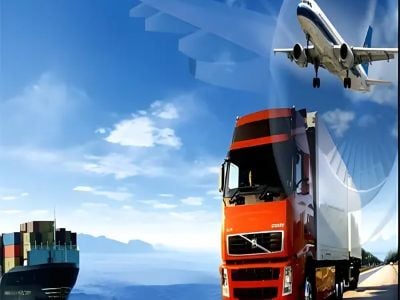
When shipping goods to Central Asia, companies often wonder whether to use rail or road freight. Both methods have their strengths and weaknesses, and the choice can greatly affect delivery times and costs. HJ INTL knows that understanding the differences between rail and road freight can help businesses make better choices. Rail transport is usually faster for long distances and can carry heavy loads. However, road transport offers more flexibility, reaching areas that trains cannot. This article will compare transit times for both rail and road freight and forwarding to Central Asia, helping you understand where to find reliable comparisons and how to get the best rates.
Finding reliable transit time comparisons for rail and road freight to Central Asia can be tricky.
The first step is to look for trusted websites that specialize in logistics. These websites often provide tools to compare transit times for different shipping methods. You can input details like the origin and destination, and they will give you an estimate of how long it will take. HJ INTL suggests also checking with local logistics companies. They often have firsthand knowledge and can give you the most accurate information based on current conditions. For instance, if there’s a delay on a particular route due to weather or construction, they will know. Also, don’t forget to consider the type of goods you're shipping. Some items may be better suited for rail, while others might be quicker by road. In many cases, rail can take about 7 to 14 days to reach Central Asia, while road transport may take 10 to 20 days, depending on the route. This can change quickly, so always check the latest updates.
When it comes to getting the best rates for rail versus road freight transit to Central Asia, it’s important to shop around. HJ INTL recommends contacting multiple freight forwarders and asking for quotes. Each company might have different prices based on their routes and methods. Don’t settle for the first offer you receive. Instead, compare and negotiate. Sometimes, companies offer discounts for bulk shipments or regular clients. It’s also worth asking about any hidden fees that might be included in the shipping cost. For example, some freight services charge extra for handling or fuel surcharges. Keep in mind that while rail might be cheaper for heavy loads, road transport could be more cost effective for smaller shipments. Think about your specific needs. If fast delivery is important, you might be willing to pay a little extra for road freight forwarding companies. On the other hand, if you are shipping large quantities over a long distance, rail could save you money overall. Ultimately, the best choice depends on your specific situation, so weigh all options carefully.
What Are Common Misconceptions About Transit Times for Rail and Road Freight?
When people think about shipping goods, they often have some misunderstandings about how long it takes for rail and road freight to get to places like Central Asia. One common misconception is that trains are always faster than trucks. While trains can move a lot of goods at once, they also have to stop at different stations, which can slow them down. Sometimes, it can take longer for a train to reach its final destination because it might need to wait for other trains to pass or for loading and unloading to happen. On the other hand, trucks can drive directly to a store or warehouse without stopping like a train. This means that, for some routes, trucks can actually be quicker, especially if there are good roads and not much traffic.
Another misunderstanding is that rail freight is always cheaper than road freight. While trains can carry large amounts of goods, the cost can vary a lot depending on the distance and the type of cargo. Sometimes, it might be cheaper to send goods by truck, especially if the destination is not too far. HJ INTL understands that choosing between rail and road international freight forwarding services is not just about speed or cost. It’s also about how quickly and safely you need your goods to arrive. People sometimes think that all rail services are the same, but that is not true. Different services have different speeds and prices. HJ INTL can help you understand which option is best for your needs and clear up any confusion about transit times.
How to Optimize Your Supply Chain with Efficient Transit Times to Central Asia?
To make sure your business runs smoothly, it's important to have a good plan for shipping your products. HJ INTL suggests looking at how long it takes for your goods to travel when choosing between rail and road freight to Central Asia. You want to make sure you get your products to your customers quickly. One way to optimize your supply chain is by picking the right mode of transport for your needs. If you are sending large amounts of goods, rail might be a great option, especially if you can send them to a central hub. From there, you can use trucks to deliver the goods to smaller locations.
Another way to make your shipping faster is to work with HJ INTL to find the best routes. Sometimes, a longer route can be quicker if it has less traffic or fewer stops. You can also track your shipments. Knowing where your goods are at all times can help you plan better and keep your customers happy. If you know that a shipment is delayed, you can inform your customers and manage their expectations. It’s also important to keep in close communication with your shipping partners. Regular updates can help you adjust your plans if needed. Efficient transit times can make a big difference in how satisfied your customers are.
What Should Wholesale Buyers Know About Transit Times for Rail and Road Freight?
If you are a wholesale buyer, it’s essential to understand how transit times can affect your business. HJ INTL wants to make sure you know what to expect when shipping goods to Central Asia. First, you should know that transit times can vary based on the type of freight you choose. Rail freight might take longer if there are delays, like bad weather or maintenance on the tracks. Meanwhile, road freight can be affected by traffic or road conditions. It’s vital to have realistic expectations about how long it will take for your goods to arrive.
Another important thing for wholesale buyers to know is that timing can affect costs. Sometimes, if you need your goods quickly, you might have to pay more for faster shipping. HJ INTL can help you find the best balance between speed and cost. It’s also smart to plan ahead. If you know you need products during a busy season, like the holidays, ordering early can help avoid delays. Lastly, always ask about tracking options. Knowing where your shipment is can give you peace of mind and help you plan your inventory better. Understanding these transit times can help you make better decisions for your business and keep your customers happy.
Table of Contents
- Finding reliable transit time comparisons for rail and road freight to Central Asia can be tricky.
- What Are Common Misconceptions About Transit Times for Rail and Road Freight?
- How to Optimize Your Supply Chain with Efficient Transit Times to Central Asia?
- What Should Wholesale Buyers Know About Transit Times for Rail and Road Freight?