
 EN
EN
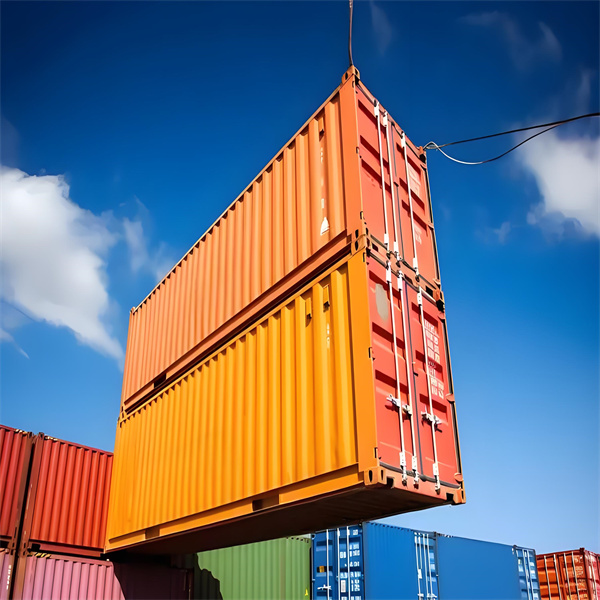
But when you’re trying to get things into North America, it can be a challenge. Problems with customs are common. Customs is the location for examining goods to ensure they meet a country’s rules. Without care, you could encounter delays or fees or be forced to pay extra. So it's best to figure out how to address the most common customs problems. HJ INTL can help you to learn ways to streamline importing. You can save yourself a lot of hassle, not to mention time and money, by understanding what paperwork needs to be filled out and where it’s best served.
Where Can You Go To for Reliable Help with Common Customs Issues?
The trickiest aspect is probably finding the right resources at first. You want to ensure you are getting good information. A good starting point is the customs website of the country you are bringing goods into. And they often have guides or Faqs to walk you through rules and process. Trade organizations also post useful information on importing goods. You could become a member or just peruse their Web sites. They might also provide workshops or webinars to help you better understand customs. Other good resources are online forums or social media groups of people sharing what’s worked for them. Just be careful to make sure the advice is coming from somebody who knows of what they speak. Books and magazines related to importing and trade may also provide tips and expertise. Success stories from other importers can motivate you and prevent you from making the same mistakes. HJ INTL Shipping also offers customer service. We’re answering them here. Desperate times do make better writers, but someone with experience can usually resolve your confusion if you reach out, so don’t be afraid to ask!
What Paperwork do I Need for Customs Clearance?
You may find documentation cumbersome, but it’s essential for a quick customs clearance. For one, you need an invoice easily verifying what you’re importing. End of the single goods invoice 3. You also must have a bill of lading. This paper tells who has the goods and who is responsible for them while they are being transported. Other key document include the customs declaration, where you list exactly what you are bringing in and pay your taxes. You may also need special permits or licenses depending on what you are importing. For example, if you are importing food, you might need health certificates. Depending on where your goods are originating from, any trade agreements or tariffs might apply to you. HJ INTL suggests keep your documents in one location. You can go with folders or digital files. Being all ready can avoid hold-ups when your goods arrive. Plus, you’ll want to verify that all of the information is correct before submitting. Errors can result in significant delays. So be sure to notice everything. When you’ve got the right paperwork, that means you can help ensure your cargo makes it through customs promptly and without hassle.
How Can You Make Sure that North American Entry Regulations are Adhered To?
And if you’re a trader shipping goods to North America, you NEED to play by the government’s rules. These rules ensure that everything coming into the country is safe for people and won’t hurt the environment. You can research the particular laws in the country you are shipping to, such as United States, Canada for Mexico. Each country might also provide its own set of rules about what goods can enter and how they should be labeled. For instance, using HJ INTL, we always examine our products to guarantee that the classification does not change. This means that we are in search of correct codes that represent what the item is. These codes help customs to know what you are shipping, and proper use can prevent problems later.
Another key part of the process is to get the correct documents ready. Your package will have customs forms, which state what’s inside the box and its value. Not having these forms could cause delays. You should also have credit card bills that show how you paid for the goods. If you are uncertain what is required, a customs broker can provide advice. They’re people who are very expert in the rules and can help you find your way back to an understanding of what the rules should be. HJ INTL will also help customers liaise with customs house brokers to make sure they are compliant at the border. This prevents fines and unwanted delays, but also makes customers happier because their orders are being delivered when promised.
Finally, keep up with the new laws of imports. Rules can evolve, and sometimes it’s your job to understand that. Keeping an eye on industry news, monitoring government websites and requesting updates from your suppliers can help keep you informed, McQueen said. At HJ INTL air freight services, we understand that prevention is the best medicine when it comes to easy importing, which is why we review our policies and procedures on an ongoing basis in order to continue compliance with modern laws. These actions will help ensure that you are in compliance with the law and to protect your business.
How Do Wholesale Buyers Learn To Import In A Fast Way?
As a wholesaler importing to North America, there are several pieces of advice you can apply to accelerate the import process. They say Time is Money, and now more than ever speed is important for business the faster you get your products in hand, the better chance they’ll be selling product. A good one is to prepare ahead. Before you place a big order, take some time to sit down and think through everything you need. Begin by choosing your suppliers and verifying that they can make timely delivery. Once you’ve identified your suppliers, establish a timeline for when the goods should arrive. This helps everyone know when shipments should be expected and may help reduce any potential delays.
The other way that you can take some time off your import timeline with HJ INTL is through the logistics stage where we have the option to start preparing your shipping documents. As we previously said, when it comes to importation then paper work is a essential thing. Note Ensure that you have invoicing, packing lists and customs forms arranged in advance. This is to best protect you from any delays at customs. You will breeze right through filling out the forms if you know them already. When in doubt, always seek help from your suppliers or a customs broker. This can help you through the process and save you time.
You might want to think about having an honest broker as well. Freight forwarders are businesses that facilitate the movement of goods from one location to another. They know how to deliver your products fast, and can offer a customs clearance solution. It can save you a lot of time and cut down on delays, especially if you are shipping in bulk. HJ INTL cooperates with reliable international shipping agencies which have the experience to cover any part of your shipment and what is more cost effective for you. This is so we can get your goods to you as fast as possible and comply with appropriate legislation.
Finally, keep communication open. It is important to have regular contact with your suppliers and transporters so you know where your loads are at all times. If anything goes wrong or we face any delays, you will be notified immediately so that you can take immediate action. Here is where collaboration is important and by cooperating with each other, everyone can make the tang import process simple and smooth.
How To Overcome Misclassification Challenges While Importing?
It’s a major headache for the importation of goods. It occurs when items are categorized or labeled incorrectly. This may result in delays at customs, and even fines. If you find that, in a particular situation, there are problems with misclassifications, don’t be concerned; there are things you can do to address them. The first is to examine the customs declaration. Based in the United States In your order, examine everything that you typed out when you filed your import forms. Verify that the descriptions and product codes you used are exactly matching what you were trying to import. But even if you have an inkling something isn’t right, it’s crucial to address it sooner rather than later. HJ INTL recommends to all clients that they maintain a regularly updated roster of their product specifications in order to prevent these types of issues.
Next, you can seek help from customs authorities. If you think that is unjust, call or write to say so. You might need to give some other evidence or details too. It also settles issue faster, if you are clear and genuine. At HJ INTL cargo freight service, we have those inquires address experience and can assist ou through such a process, if necessary. We’d like to help you navigate any ruts in your importing.
Another route is to have a customs broker assist who are experts in classification. They get the procedures and can advise you on how to classify your goods accurately. If you do discover in retrospect that an item was mis-classified after it passed through customs, a customs broker can help file for rectification. It is known as a post-entry amendment. It sounds complicated, but a broker can help simplify matters. They know what to do, which papers you’ll need to file.
Finally, it is incumbent to be proactive in preventing mis-classification from occurring again. Maintain better product records and keep up-to-date on import classification rules and regulations. With HJ INTL's ongoing auditing, you can remain responsible and mitigate risk on your importing endeavors. By doing so, you can efficiently fix mis-classification and maintain your importing process free of hassle.
Table of Contents
- Where Can You Go To for Reliable Help with Common Customs Issues?
- What Paperwork do I Need for Customs Clearance?
- How Can You Make Sure that North American Entry Regulations are Adhered To?
- How Do Wholesale Buyers Learn To Import In A Fast Way?
- How To Overcome Misclassification Challenges While Importing?