
 EN
EN
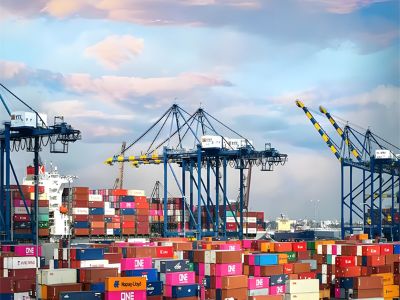
For those wanting to export to Africa, it can be a big adventure for start-ups. HJ INTL understands that many entrepreneurs aspire to make their products available in multiple countries in Africa. But there are stumbling blocks on that path, too. For example, you may know what the best ways to ship goods are, but local laws can be hard to understand and difficult to navigate. This article discusses some frequent problems and some solutions so young exporters don’t feel alone. We know how critical it is to make a mark in that market. So let’s dive into a few simple specialist in logistics strategies to overcome these challenges, and make exporting to Africa a more seamless process.
Solving the export riddle in African markets
There could be a few hiccups as you begin exporting goods to Africa. The rules and laws in various countries are one of the challenges. Every country has its own set of regulations as to what you can send and how it should be sent. For example, in some countries, you might have to obtain special licenses or papers that show your products won’t harm people and meet the country’s standards. So, it’s really important to do your homework. You can begin by checking the websites of trade associations that provide guidance.
A second obstacle is to know the culture and market demand. What works in one nation may not sell in the other. For example, while in some areas they like flashy and super colored we choose dull colors. That’s also why speaking with the local people, getting to know their requirements is helpful to shortlisting products. Trade shows and logistics specialist market visits can also offer you hands-on experience.
Communication can be another hurdle. The language barrier that can make it difficult to communicate with customers. Phil Rohrich Sometimes it can be really hard to get feedback on your product. It may be a good idea to hire someone local, who speaks the language and knows the market. They can bring people closer and help communication to flow.
Shipping is also a struggle for many. You must figure out a dependable method to deliver your products from point A to point B. This entails choosing the proper shipping options, which can also vary depending on where you a shipping your goods. Air is quicker, but sea could be cheaper. This is where collaboration with shipping specialists can play an important role.
It can feel daunting, but there are ways to prepare. Stating clear objectives, doing your homework and seeking help from local experts. HJ INTL understands that preparation is everything. By networking in the right way, you can get a foothold in new markets.
Where to Look for Trustworthy Shipping Crews for African Exports?
A good shipping partner is key to success when exporting to Africa. You need someone you can trust to bring your products to the market safely and timely. A useful starting point is networking with other exporters who have successfully competed in Africa. They can share their stories and suggest businesses they trust. If you join trade associations specializing in export, this can also direct you to trustworthy shipping partners as many maintain lists of approved logistics supply specialist providers.
You can also find shipping partners online. Most companies will have websites providing information about their service, and some will include reviews written by other customers. And just as you would read reviews before buying something, reading what other people have said about shipping companies can help you make the right choice. You may want to contact a few different companies and inquire about the services they offer, their rates and their delivery times to see who fits your needs best.
Communication is super important when you select a shipping partner. You have to see to it they understand what you need. For example, talk about how delicate your items are and what kind of packaging they require. See if tracking is available so you can check in on your products as they are shipped. HJ INTL knows that the clearer we are, the better partnerships people can make.
It is also crucial to ascertain that the shipping company understands the customs clearance process in various African countries. Customs can be complex, and a partner who is familiar with the rules could save you time, stress or both. And they can help you know what you need to do beforehand, so that all goes well.
But before you commit, make sure to inquire about how much experience they have in the African market. Ask about any problems they’ve encountered and how they resolved them. You could gain invaluable lessons from those that get you through your own journey. Finally, foster a good working relationship with your shipping partner. Demonstrating trust and maintaining open lines of communication can also be helpful for working through any issues that arise in the future.
With perseverance and targeted assistance, HJ INTL is positive that new exporters will overcome the challenges of exporting to Africa. There is huge potential in these markets, and if trained the right way you can find incredible opportunities.
African Logistics Solutions: What Bulk Buyers Should Know?
If you’re thinking of selling items in Africa, it’s really key to know logistics. Logistics is the art of getting your goods from point A to point B. It can be a challenge because Africa is a big continent with different countries and, you know, countries that have their own rules and ways of doing things. HJ INTL is committed to helping newer exporters master these challenges so that they can succeed in business.
For starters, you’ll want to be educated about transportation. There are lots of ways to get stuff around, by truck, ship or airplane. But the decision is a matter of how far they need to go, and how quickly they need to get there. For instance, shipping goods by boat to countries in Africa may take longer, but it could be less expensive than flying them. HJ INTL recommends learning the most cost-effective routes and transportation means to help save money or have product arrive on time.
Second, customs is a huge aspect of logistics. There are customs rules in each country. Products that arrive are checked and taxes collected by customs officials. If the papers are in disarray, it can lead to delays. It's optimal for brands new to exporting to get all necessary documents in order and secure best payment terms prior to shipping. HJ INTL can also assist exporters in learning which paperwork is required by different African countries, so they can avoid mistakes.
And finally, it helps to look at local partners. It can also help working with local transport companies to make moving goods easier. They are more familiar with the roads and the rules. HJ INTL advises new export companies that they will find success if they can establish an office and connect with strong partners in the market region. Appreciating such logistics solutions can however place exporters on the right track to serve African customers successfully.
How to Guarantee the Product Quality during Export Service to Africa?
Keeping products in good shape is a big deal when you export to Africa. Quality matters not just for the obvious reason that making customers happy is good business, but also for a less evident one: quality makes it possible to demonstrate trust. HJ INTL knows that damaged merchandise or items that customers are not happy with can create problems for exporters. So what do exporters do to ensure their goods remain in great condition?
For starters, selecting the right packaging is super important. The items have to be packed properly so that they do not break during transit. Sturdy boxes and protective items, such as bubble wrap, can be of assistance. For example, if you are exporting fragile cups and glassware, they should be packaged in soft padding. HJ INTL suggests testing out different ways to package before you ramp up production to see what works best.
Another important one is a quality check before shipment. That requires checking the merchandise to ensure it’s up to snuff. If something’s wrong, better address that before the goods leave. HJ INTL recommends that exporters establish well-defined quality control protocols to catch problems early and ensure their customers are receiving the highest-quality products.
Finally, when the goods get to the African country, definitely have some good friends who are local assist in distributing. They can make certain goods are treated with care and that they safely reach their destination. Hiring people who know the local market and support our company in keeping the quality of goods all the way to end customer. HJ INTL Quality at every step is the key to maintaining a good reputation and a happy client base for exporters.
Managing payment and currency risk when exporting to Africa
Payment and currency quagmire Selling products in Africa comes with significant challenges of dealing with payment and currency issues. For new exporter success, HJ INTL believes that knowledge of how payments function is important. There are many different currencies used in African countries, and this confusion can spill over when it’s time to get paid.
More importantly, though: You need to understand about currency exchange. Because each country has its own money, exporters need to understand how much their products would actually be worth in the local currency. This entails informing themselves about exchange rates, which fluctuate frequently. HJ INTL recommends trustworthy financial services to assist with currency conversions bringing exporters the most value for their sales.