
 EN
EN
A Complete Guide to Shipping Goods from China to Central Asia
HJ INTL Transporting goods from China to Central Asia plays a vital role in international trade. Businesses that rely on efficient logistics can improve delivery times, reduce transportation costs, and strengthen their supply chains. Whether shipping electronics, textiles, machinery, or consumer products, selecting the right transportation method is essential for long-term success. china dropshipping
Road and railway transport are the two primary shipping options for moving cargo between China and Central Asian countries. Understanding their advantages, limitations, and best practices can help businesses make informed logistics decisions.
How Can You Optimize Your Supply Chain with Efficient Road and Railway Transport?
An efficient supply chain begins with careful planning. Choosing the right transportation route and shipping method helps reduce costs while improving delivery performance. ecommerce dropshipping
Here are several ways to optimize your logistics operations:
Plan the most efficient transportation routes.
Select the appropriate transport mode based on shipment size.
Monitor shipments using GPS tracking and logistics software.
Work with reliable freight and transportation partners.
Prepare contingency plans for unexpected delays.
For smaller or urgent deliveries, road transportation offers greater flexibility because trucks can deliver goods directly to their destination. For high-volume shipments, railway transport is often more cost-effective, providing lower transportation costs over long distances.
Using real-time shipment tracking also improves visibility throughout the supply chain, allowing businesses to provide accurate delivery updates and respond quickly to potential disruptions.
What Are the Most Common Challenges in China-to-Central Asia Logistics?
Cross-border transportation involves multiple challenges that can affect delivery schedules and overall shipping costs.
Some of the most common logistics issues include:
Customs Delays
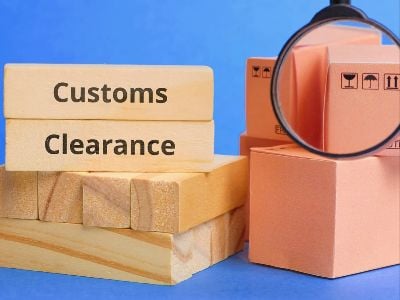
Customs clearance is one of the leading causes of shipment delays. Incomplete documentation or incorrect declarations can slow the import process. china suppliers for dropshipping
To minimize delays, businesses should prepare all required documents in advance, including:
Commercial invoices
Packing lists
Certificates of origin
Shipping documents
Import permits when required
Transportation Delays
Traffic congestion, adverse weather, road maintenance, and border inspections may extend transit times.
Maintaining regular communication with logistics providers and allowing sufficient buffer time in shipping schedules can reduce the impact of unexpected delays.
Cargo Damage
Improper packaging increases the risk of damaged goods during transportation.
Using high-quality packaging materials, protective pallets, secure loading methods, and proper labeling helps protect products throughout transit.
Communication Barriers
International logistics often involves multiple countries, languages, and regulatory agencies. Working with experienced freight forwarders or local logistics specialists helps improve communication and reduce misunderstandings.
Should You Choose Road or Railway Transport for Wholesale Shipments?
Selecting the best transportation method depends on your cargo, delivery timeline, and budget.
Road Transportation
Road freight offers several advantages:
Faster door-to-door delivery
Greater flexibility
Easier scheduling
Suitable for smaller shipments
Convenient final-mile distribution
However, road transportation may involve higher fuel costs, toll fees, and traffic-related delays.
Railway Transportation
Rail freight is often the preferred option for large-volume shipments because it offers:
Lower transportation costs
Higher cargo capacity
Reliable transit schedules
Reduced environmental impact
Efficient long-distance transportation
Although railway transport generally takes longer than road freight, it provides excellent value for businesses shipping bulk cargo across Central Asia.
Comparing shipment size, urgency, and transportation costs will help determine the most suitable logistics solution.
What Are the Best Shipping Routes from China to Central Asia?
Several well-established trade corridors support cargo transportation between China and Central Asia.
China–Kazakhstan Route
The China–Kazakhstan corridor is one of the busiest international freight routes in the region.
A major gateway is the Khorgos border crossing, which connects western China with Kazakhstan before continuing to destinations across Central Asia. This route is widely used for rail freight and multimodal transportation.
China–Uzbekistan Route
The China–Uzbekistan corridor supports both road and railway transportation.
This route connects major Chinese manufacturing centers with key cities such as Tashkent and Samarkand, making it an important option for regional trade and wholesale distribution.
Regional Distribution Networks
Once shipments arrive in Kazakhstan or Uzbekistan, regional road networks enable efficient distribution to neighboring countries, including Kyrgyzstan, Tajikistan, and Turkmenistan.
Choosing the most efficient route depends on cargo type, destination, customs procedures, and delivery deadlines.
How Can Businesses Navigate Customs Regulations When Shipping to Central Asia?
Customs compliance is essential for successful international shipping. Every Central Asian country has its own import regulations, documentation requirements, and customs procedures.
Before shipping, businesses should ensure they have:
Commercial invoices
Accurate packing lists
Bills of lading or railway transport documents
Certificates of origin
Product certifications when required
Import licenses for regulated products
It is also important to understand applicable customs duties, import taxes, and local compliance requirements before goods arrive at their destination.
Proper product labeling and packaging can further reduce the risk of customs inspections or delays.
Many businesses choose to work with experienced customs brokers who understand local regulations and can assist with customs clearance, documentation, and import procedures.
Why Is Strategic Logistics Planning Important?
Efficient transportation from China to Central Asia requires more than simply selecting a shipping method. Successful logistics management involves careful route planning, reliable transportation partners, accurate documentation, and proactive risk management.
By understanding the advantages of both road and railway transport, preparing for common logistics challenges, and ensuring customs compliance, businesses can reduce shipping costs, improve delivery performance, and strengthen their international supply chains.
A well-planned logistics strategy helps companies remain competitive while supporting sustainable growth in the expanding Central Asian market.
Table of Contents
- How Can You Optimize Your Supply Chain with Efficient Road and Railway Transport?
- What Are the Most Common Challenges in China-to-Central Asia Logistics?
- Should You Choose Road or Railway Transport for Wholesale Shipments?
- What Are the Best Shipping Routes from China to Central Asia?
- How Can Businesses Navigate Customs Regulations When Shipping to Central Asia?
- Why Is Strategic Logistics Planning Important?